

Unbalanced by Design
Society holds by pushing costs elsewhere

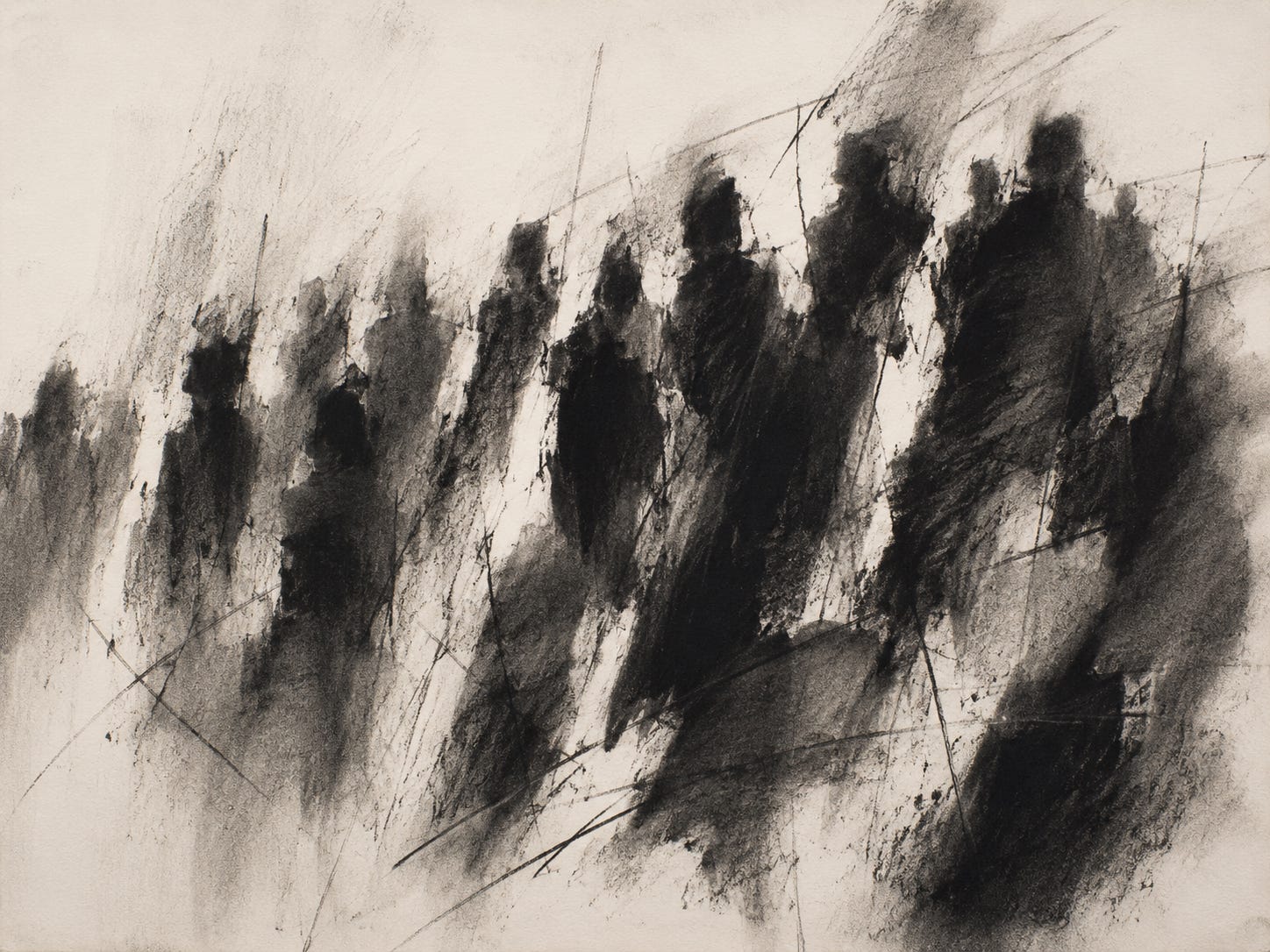
Order isn’t a state you reach; it’s a bill that keeps coming due. Society doesn’t find balance—it moves strain between freedom, equality, and solidarity, like a crowded subway where every stop forces a small adjustment: someone leans, someone grips tighter, no one stands steady for long.
Give people more room to act, and it feels like relief—until things stop lining up. In a team that replaces clear roles with autonomy, decisions multiply, ownership blurs, and alignment has to be rebuilt in meetings that didn’t exist before. Freedom doesn’t remove pressure; it spreads it across the work of staying aligned.
Push for more equal outcomes and the spread narrows—differences shrink, results look fairer—but the ways people pull ahead don’t disappear, they go quiet. Effort, risk, and reward get closer together, and the setup has to work harder to keep people moving, like a store that standardizes every shelf until the real variety slips out of sight. Equality steadies the surface while tightening what drives action—until the effort shifts into finding ways around it.
Lean into togetherness and things lock in. Shared identity speeds decisions and smooths friction, but it also raises the cost of standing apart; disagreement feels like disloyalty, not input, like a family table where it’s easier to nod than to speak. Solidarity holds things together while shrinking the space to question them.
These aren’t separate goals you can stack; they pull on the same limited time, attention, and resources. Push one up and the others take the strain—not evenly, but in small shifts that build over time, the way a building slowly settles. Try to maximize all three and the effort turns against itself.
Conditions outside society keep changing the balance. When there’s plenty, freedom expands until things stop lining up; when there’s not enough, pressure builds for fairness and stability; in crisis, people close ranks and accept tighter control, like a room that goes quiet and focused when something breaks. The setup stays the same, but the weight keeps moving.
What holds power in place isn’t just fairness; it’s whether those who are unhappy can line up their actions at the same time. Discontent can be widespread and still ineffective if it’s out of sync, like people almost catching the same train, arriving within seconds of each other, but never at the same moment. Society persists while opposition fails to move together.
So balance isn’t a fixed point. It’s a constant trade, where every gain shows up as a cost somewhere else, and things hold only while those costs remain out of sight. That wears down as demands grow and society has to keep feeding on what it produces just to continue.
The social trilemma never settles; it just keeps shifting weight, and what feels stable is often where the costs are hardest to see.